

 inglese
 简体中文
简体中文
Messa a terra del servizio · Riferimento NEC
Il numero di bastoncini sulla stampa raramente corrisponde a quello effettivamente installato nel terreno.
Risposta breve: un servizio da 200 A richiede almeno un'asta di messa a terra, ma il codice richiede una seconda asta, distanziata di almeno sei piedi dalla prima, ogni volta che una singola asta verifica una resistenza a terra superiore a 25 ohm. In pratica, la maggior parte delle installazioni residenziali e commerciali da 200 A finiscono con due aste, perché una singola asta raramente testa da sola abbastanza bassa da soddisfare quella soglia.
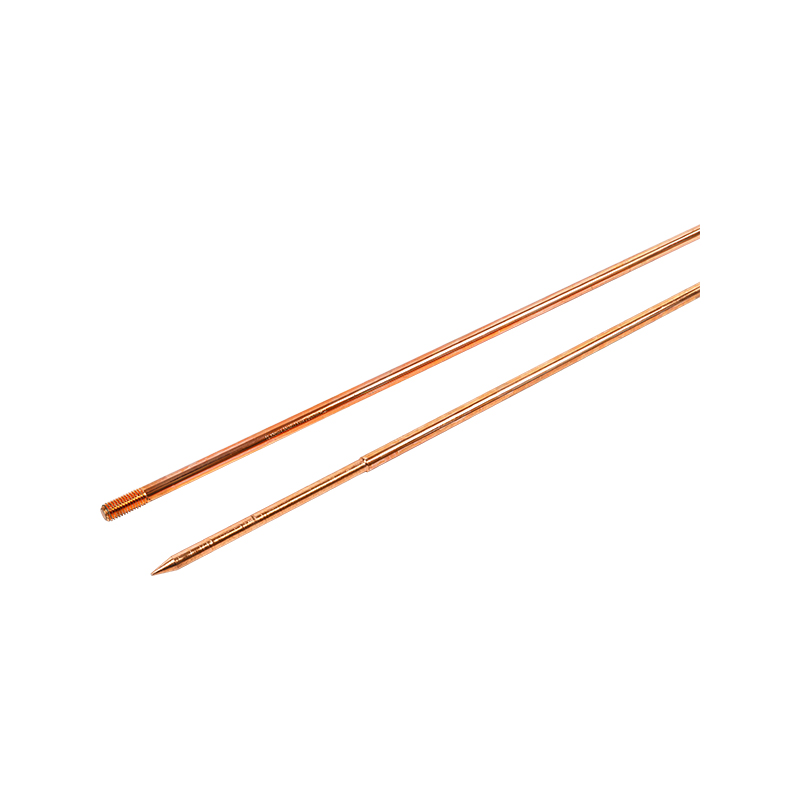
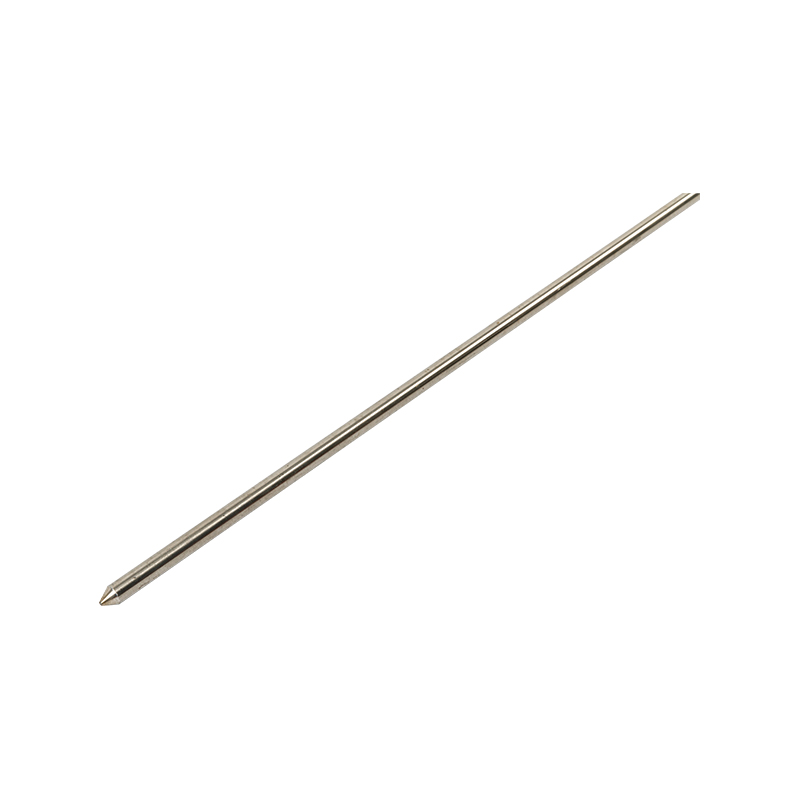
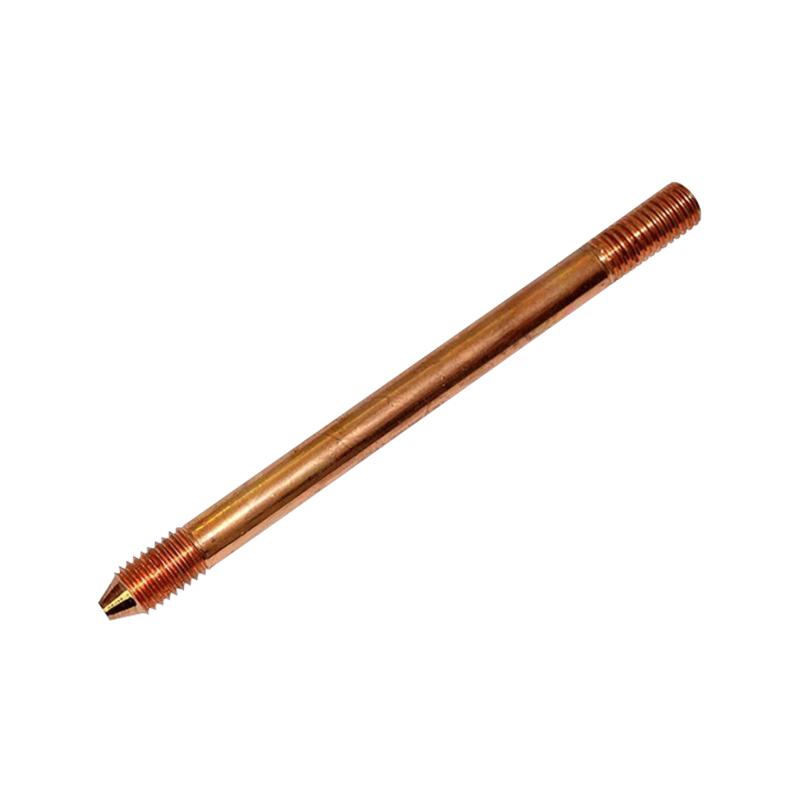
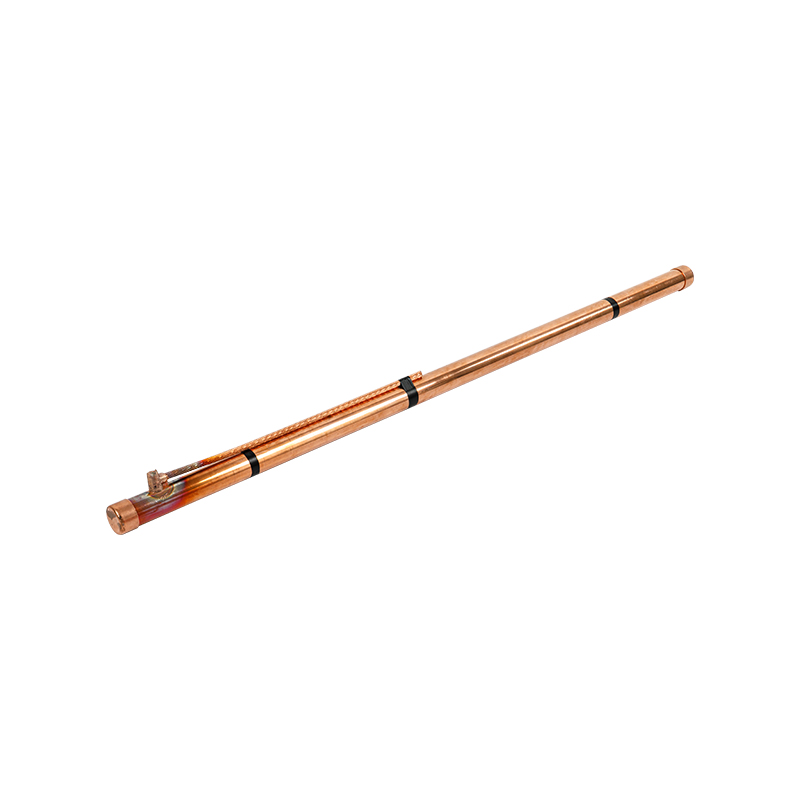
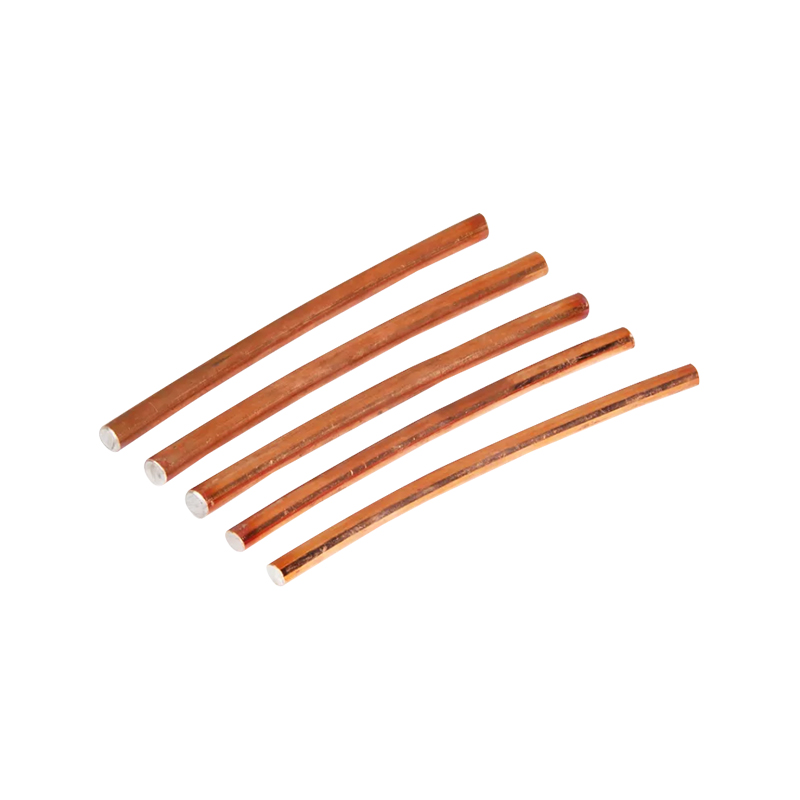
Asta di messa a terra il conteggio è una delle parti più comunemente fraintese di un'installazione di servizio da 200 A. Alcuni elettricisti guidano un'asta e vanno avanti; altri ne guidano due per abitudine. Nessuno dei due approcci è sbagliato di per sé, ma solo uno di essi soddisfa in modo affidabile i requisiti del codice e la differenza si riduce a un test di resistenza che la maggior parte degli appaltatori ignora. Le sezioni seguenti illustrano ciò che determina effettivamente il numero di aste, come le aste si confrontano con altre opzioni di elettrodi di messa a terra e cosa tende a non superare l'ispezione.
25 ohm
Resistenza massima verso terra che un singolo picchetto di terra deve testare per essere conforme alla normativa.
6 piedi min
Distanza minima richiesta tra due picchetti di terra quando è installato un secondo picchetto.
8 piedi di profondità
Profondità di avanzamento standard per un singolo picchetto di terra, a meno che rocce o ostacoli non richiedano un metodo alternativo.
La regola fondamentale Una canna contro due canne: cosa determina effettivamente il numero richiesto
Il Codice elettrico nazionale non stabilisce un numero fisso di barre per una determinata dimensione del servizio, ma stabilisce invece un obiettivo prestazionale. Secondo NEC 250.53(A)(2), un elettrodo a barra singola è accettabile solo se testa a 25 ohm di resistenza verso terra o meno. In caso contrario, è necessario aggiungere una seconda asta, distanziata di almeno sei piedi dalla prima. Questa unica distinzione è il motivo per cui "quante aste per il servizio 200A" non ha un numero universale: ha un test universale.
Codice minimo Sistema ad asta singola
- Legale solo se la resistenza misurata è pari o inferiore a 25 ohm
- Molto probabilmente passerà in terreni argillosi o argillosi umidi
- Raramente passa in condizioni di terreno sabbioso, roccioso o asciutto
- Richiede un test di resistenza documentato per dimostrare la conformità
Pratica comune Sistema a due aste
- Soddisfa automaticamente 250.53(A)(2) senza test di resistenza
- Impostazione predefinita standard sulla maggior parte dei lavori residenziali e commerciali leggeri da 200 A
- Aste distanziate di almeno 6 piedi l'una dall'altra, guidate alla profondità corrispondente
- Più resistente ai cambiamenti stagionali dell'umidità del suolo
Poiché testare la resistenza sul campo richiede attrezzature e tempo aggiuntivi, molti appaltatori installano semplicemente due aste per impostazione predefinita anziché scommettere sul passaggio di una singola asta. Non è un requisito del codice saltare il test: è una scorciatoia pratica che evita una richiamata se la prima asta fallisce.
Perché i test sono importanti Perché un singolo picchetto di terra non passa quasi mai da solo
La composizione del terreno determina la resistenza molto più della qualità della canna o della tecnica di installazione. Una singola asta rivestita in rame da 8 piedi può testare ovunque da meno di 10 ohm a ben oltre 100 ohm a seconda di ciò in cui viene spinta.
| Tipo di terreno | Resistenza tipica (asta singola) | Risultato probabile |
| Argilla bagnata o terriccio | 5–20 ohm | Passa spesso su un'asta |
| Terreno da giardino medio | 20–50 ohm | Borderline; spesso necessita di una seconda canna |
| Terreno sabbioso | 50–150 ohm | Quasi sempre necessita di una seconda canna |
| Terreno roccioso o ghiaioso | 100 ohm | Potrebbero essere necessari elettrodi supplementari oltre alle aste |
Questo è anche il motivo per cui l’esperienza regionale conta più di una regola pratica fissa. Un appaltatore che lavora principalmente in un'area argillosa sul fondo del fiume può raramente aver bisogno di una seconda canna, mentre uno che lavora in una regione costiera sabbiosa dovrebbe pianificare due canne per quasi ogni lavoro.
Dimensionamento del conduttore Dimensionamento del conduttore dell'elettrodo di messa a terra per un servizio da 200 A
Il conteggio delle aste non è l'unica questione di dimensionamento legata a una disconnessione da 200 A. Il filo che collega il sistema di elettrodi all'apparecchiatura di servizio ha le proprie dimensioni imposte dal codice, basate sulla tabella NEC 250.66 e sulla dimensione del conduttore di servizio che alimenta il sezionatore.
| Conduttore di servizio | Dimensioni GEC standard | Eccezione asta/tubo/piastra |
| 2/0 rame (tipico 200 A) | Rame 4AWG | Rame 6 AWG consentito per elettrodi ad asta, tubo o piastra |
| 4/0 alluminio (tipico 200 A) | Alluminio 2AWG | Rame 4AWG allowed for concrete-encased electrodes |
Questa eccezione è importante sul campo: un conduttore dimensionato per un sistema con solo asta a volte può essere di una dimensione inferiore a quanto richiesto per altri tipi di elettrodi, il che vale la pena ricontrollare prima di presumere che le specifiche di un singolo conduttore si applichino all'intero sistema di messa a terra.
Oltre le canne Aste di terra rispetto ad altri elettrodi di messa a terra
Le aste sono gli elettrodi di messa a terra più comuni, ma non sono l'unica opzione consentita da NEC 250.50 e la combinazione dei tipi di elettrodi è spesso più affidabile che fare affidamento solo sulle aste.
| Tipo di elettrodo | Resistenza tipica | Ideale per |
| Asta di terra | Variabile, dipendente dal suolo | Retrofit, installazioni autonome, integrazione di altri elettrodi |
| Tubo dell'acqua sotterraneo in metallo | Spesso molto basso | Case più vecchie con linee continue di fornitura metallica; deve essere integrato dal codice |
| Elettrodo rivestito in cemento (terra Ufer) | In genere sotto i 5 ohm | Nuova costruzione, dove l'armatura è già nel basamento |
Un elettrodo rivestito di cemento installato durante un nuovo getto di fondazione spesso supera le prestazioni di due picchetti di terra combinati, motivo per cui le nuove costruzioni ignorano sempre più del tutto il dibattito sul conteggio dei picchetti.
Installazione sul campo Requisiti di spaziatura, profondità e installazione per aste multiple
- Guidare ciascuna asta per tutta la sua lunghezza, in genere 8 piedi, a meno che la roccia non costringa un'installazione angolata o in trincea.
- Distanziare due aste ad almeno 6 piedi di distanza l'una dall'altra per evitare zone di resistenza sovrapposte che riducono l'efficacia combinata.
- Unisci entrambe le aste al pannello con un conduttore continuo anziché con due collegamenti separati.
- Mantenere le parti superiori delle aste accessibili o al di sotto del livello in base alle preferenze di ispezione locale, ma documentare sempre la loro posizione per futuri lavori di manutenzione.
Verifica della conformità Testare la resistenza del terreno prima di chiamare il lavoro finito
Un tester di caduta di potenziale o di resistenza di terra con pinza è l'unico modo affidabile per confermare che una singola asta soddisfa la soglia di 25 ohm. Saltare questo passaggio e presupporre che una singola asta sia sufficiente è uno dei motivi più comuni per cui un'ispezione approssimativa viene contrassegnata per la correzione.
- Testare la resistenza dopo che la barra si è stabilizzata, idealmente non immediatamente dopo l'installazione in un terreno appena smosso.
- Registrare la lettura per il file di lavoro, poiché alcune giurisdizioni richiedono prove documentate durante l'ispezione finale.
- Se la lettura supera i 25 ohm, aggiungere immediatamente la seconda asta invece di programmare un viaggio di ritorno separato.
Errori di ispezione Errori comuni che non consentono l'ispezione
- Installazione di una singola asta senza alcun test di resistenza per verificare che soddisfi il limite di 25 ohm.
- Distanziare una seconda asta a meno di 6 piedi, il che riduce il suo contributo effettivo alla resistenza complessiva.
- Utilizzo di un conduttore dell'elettrodo di messa a terra sottodimensionato che non corrisponde al conduttore di servizio secondo la Tabella 250.66.
- Collegamento del neutro a terra su un sezionatore a valle anziché solo sul sezionatore di servizio principale.
- Affidarsi solo a un elettrodo per tubi dell'acqua senza la necessaria asta supplementare o elettrodo rivestito in cemento.
 Chi siamo
 +86-15167536268
 29, Xingmei Avenue, Xinchang, Zhejiang, Cina